


Professor Paul Chamberlain of the Royal College of Art, United Kingdom, will present ‘The 100-Year Life and Our Future Home’ at The 14th European Conference on Education (ECE2026), The 14th European Conference on Arts & Humanities (ECAH2026), and The 6th European Conference on Aging & Gerontology (EGen2026), to be held in London, United Kingdom, and online.
Professor Chamberlain is a leading design researcher whose work focuses on inclusive design and healthy ageing, particularly how the built environment can support dignity and wellbeing. His talk will discuss how inclusive design can support healthier ageing and wellbeing in an era of increasing life expectancy by designing homes and environments that are responsive to the opportunities and challenges of the 100-year life.
This keynote presentation will be held both onsite in London and online via live-stream. To participate in ECE/ECAH/EGen2026 as an audience member, please register for the conference via the conference website.
The presentation will also be available for IAFOR Members to view online as part of their membership benefits. To find out more about becoming an IAFOR Member, please visit the IAFOR Membership page.
Speaker Biography
Paul Chamberlain
Royal College of Art, United Kingdom
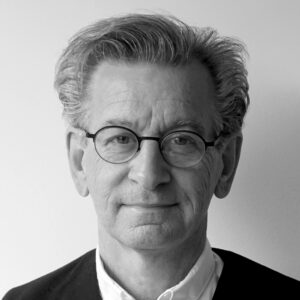 Dr Paul Chamberlain is Professor of Design and Co-Chair of the Helen Hamlyn Centre for Design at the Royal College of Art, United Kingdom, a global leader in Inclusive Design founded in 1991. Professor Chamberlain’s research informs the design of the built environment through developing tools and methods to encourage and engender innovation and applied with a focus on health and wellbeing, disability, and ageing. His work explores the multi-sensory aspects of design and the role of artefacts that help define pertinent social questions as much as present solutions. He has led major interdisciplinary projects, won international awards for his designs, and delivered keynote lectures at leading international events. He has over 100 published texts and his work has been exhibited widely, including solo exhibitions at the Museum of Contemporary Art, Taiwan, The WAAG Amsterdam and the Venice Architectural Biennale. Paul was recently the principal investigator of a £4m Research England funded project that focused on the 100-year life and the Future Home and was the first visiting international resident scholar of the Neutra Institute, United States. He was a member of the Art & Design, History Theory and Practice panel for the UK Research Excellence Framework 2021, was founder and director of research group Lab4Living, and is founding editor of the Design for Health Journal (Taylor and Francis).
Abstract
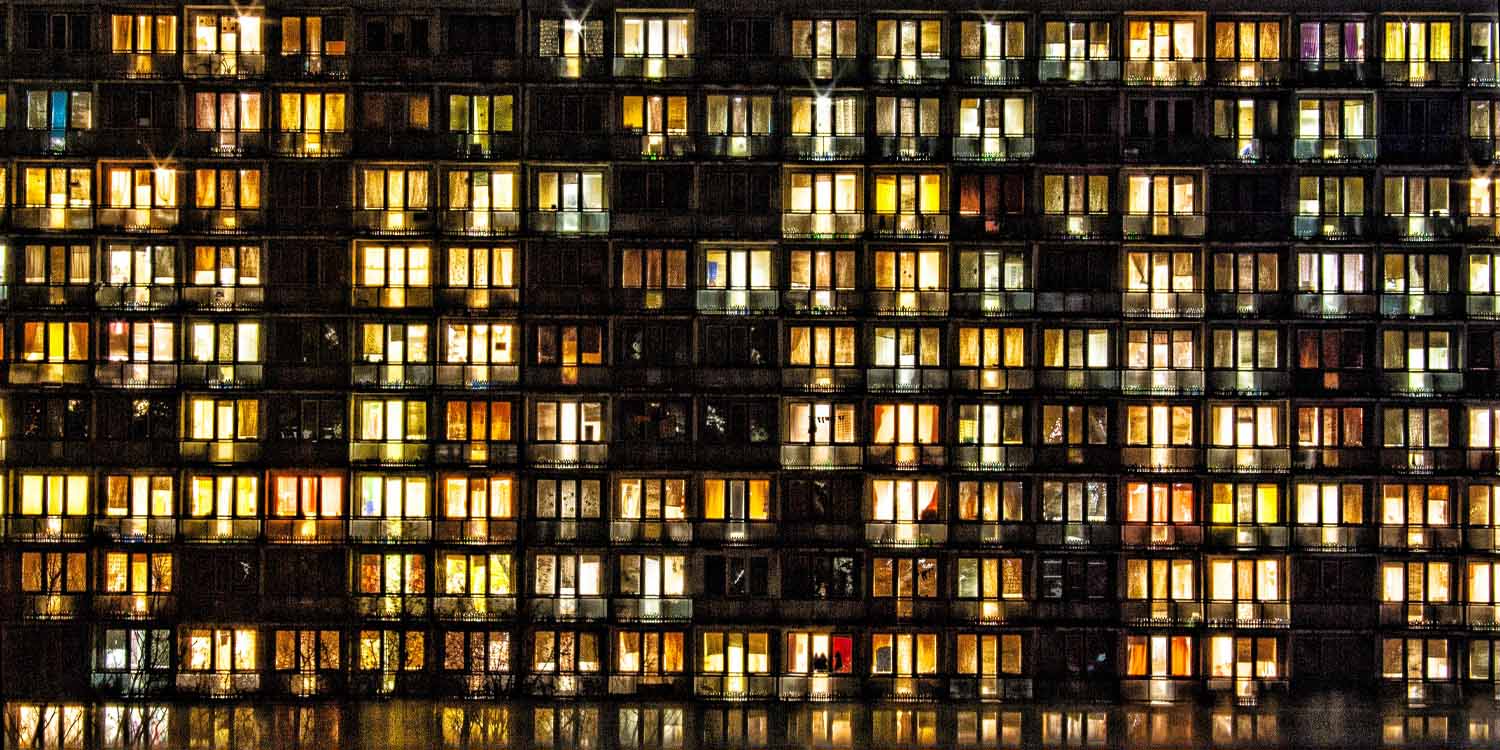
The 100-Year Life and Our Future Home
With advancements in medical science, it is estimated that a quarter of babies born today will live to one hundred years old. This increased life expectancy will bring about many societal changes and economic challenges. The number of years of this extended life that will be spent in good health is not increasing at a proportionate rate. Existing conceptualisations of life, education, work, ret.irement, a three-stage model, will be replaced by a multi-stage model of life. How and when we exist with these changing aspects of life and where they take place are increasingly less certain as traditional structures of every-day life and the spaces we inhabit are being challenged. This talk explores how inclusive approaches to design might shape our future environment to support healthier ageing and enhance our wellbeing. While advocating the significant value of design to support activities of daily living, cautionary approaches must be taken to understand the positive value and sometimes negative impact of design. This has become more imperative since the increasing democratisation and proliferation of co-design, where non-design experts are increasingly involved in, and sometimes leading, the design process.
